
 Live Radio
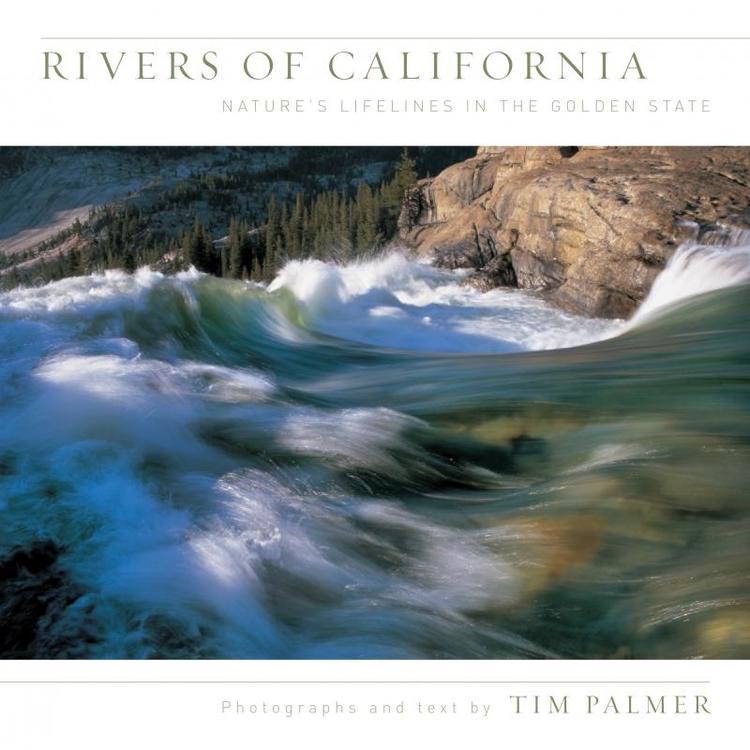
From the untamed Smith River near the Oregon Border to the southernmost San Diego River, all of the Golden State's Rivers are captured, beautifully, in a new book of photographs by conservationist Tim Palmer.
 This is the image of the mouth of the Russian River at Jenner, taken by moonlight shortly before dawn. Although Palmer has a clear appreciation for the agricultural and recreational value of the Russian, it doesn't take much prodding for him to admit his greater fondness for the state's wilder, high mountain rivers.
As is often the case with those who excel in their chosen field, Palmer discovered his passion for running water early on, as a child on the family farm, far from California.
 Tim Palmer will present a slide show of his photography and talk about Rivers of California Tuesday eveing, Nov. 30th at Copperfields Books in Sebastopol, and Wednesday, Dec. 1 at River Reader in Guerneville Both programs begin at 7 pm.
While Palmer is deservedly recognized for his photography, he is also an accomplished writer and advocate for river conservation. The passage below is taken from his introductory chapter in Rivers of California.
Whether we actually jump in the water...or float on its surface in a raft or canoe, or walk along the shore in a city or wilderness, or cast a line in hopes of catching a trout or just gaze in wonder at the common yet enchanted movement of water, rivers flow inseparably with our lives. This is true even for people who have never laid eyes on whitewater or a living fish. Our bodies are 70 percent water and every drop of it comes from a river or associated groundwater. The rivers literally flow in our arteries and veins. Ultimately that means being connected to their sources, to their destinatons, to their greater community of life, and to their outcome and fate in a changing world.
 As the rainy season returns, perhaps your yard or garden would benefit from keeping more of that water around for a while. There's no doubt that the environment as a whole would. Rain gardens are one good way to do just that.

Rain gardens can be added just about anywhere, regardless of soil types. Even thick clays can be amended to accept water more readily, says Chipkin, but that's not always necessary.
To estimate the amount of storage needed, calcuate the surface are that the rainwater will drain off from. An average storm will bring around one inch of rain per square foot. But few rainwater capture systems can hold all the precipitation from major storms. So that gardens that receive that water need to be designed with a outlet for the excess.
Even without adding or changing a garden, there are ways to facilitate increased rainwater absorbtion into the ground through "hardscape reducution" measures. Note that this issue also relates directly to concens about the future reliability of groundwater resources in the Santa Rosa Plain, as previously reported on the North Bay Report.
Top 9 Reasons to Build A

1. Reduces stream flooding and downstream erosion.
2. Provides habitat for wildlife.
3. Requires less maintenance, watering, fertilizers and pesticides than traditional gardens because of use of native and other locally adapted plants.

4. Filters pollutants and reduces pollution in our waterways via native plant roots and healthy soil.
5. Recharges groundwater by allowing water to filter into the ground rather than run along the surface into drains.
6. Reduces the volume of water flowing to sewer treatment facilities.
7. Transforms your property in an inexpensive and easy way.
8. Saves money on landscape irrigation and lowers your water bill.
9. Beautifies neighborhoods, models water conservation.

 As demand for fresh water intensifies, subsurface aquifers will be a key part of the competition. But how much water lies below the Santa Rosa Plain, and who does it belong to? These are among the questions to be addressed in a series of public workshops that begin this week.
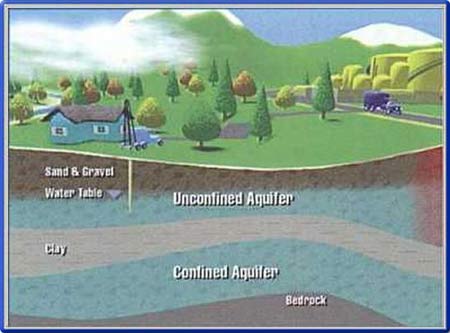 In addition to measuring and managing the groundwater resource, says Leonard Holt, the planning workshops will also look at water quality concerns, and attempt to quantify the effects tbat newly drilled wells may have on their pre-existing neighbors.
Urban growth in the Santa Rosa plain--which includes most of Santa Rosa and all of Windsor, Cotati and Rohnert Park--has inevitably increased the demand for water from the aquifer below. But Rue Furch notes that same growth has also diminished the region's capacity to replenish the groundwater supply.
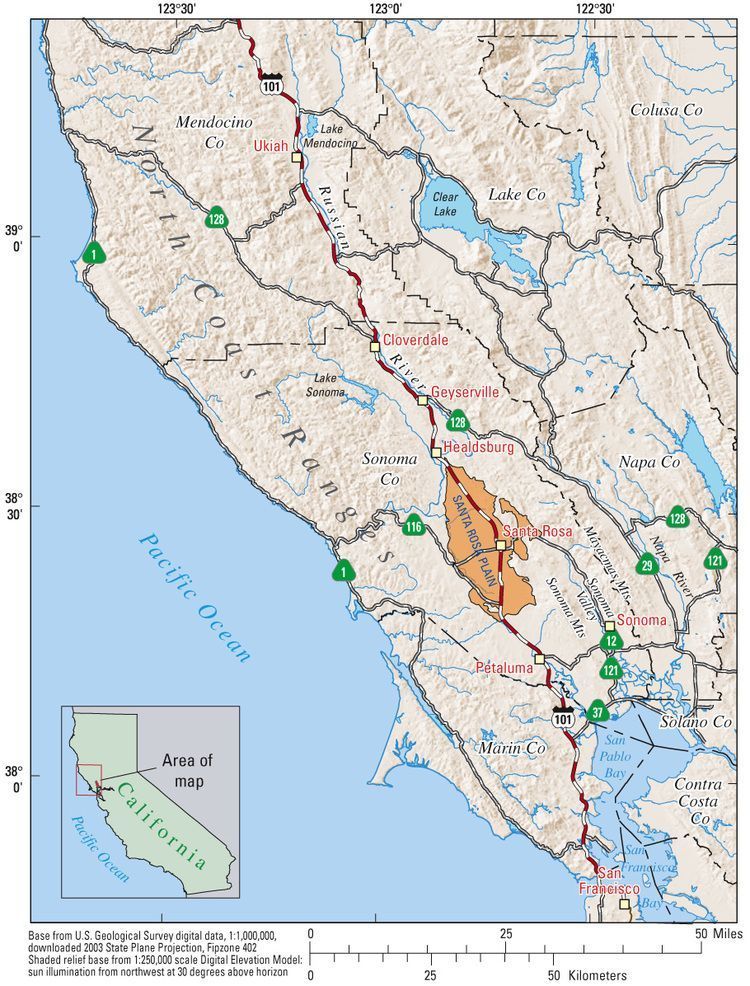
The first of three scheduled Santa Rosa Plain Groundwater Basin Planning Workshops will be held on Wed., Nov. 17 at the Santa Rosa Veterans Building. Subsequent meetings will be held Dec.2 at the Sebastopol Vets Building and Jan. 12 in Rohnert Park City Hall. The presentation will be the same at all three session, which are each set to run from 6:30 to 9 pm.

 One of the goals behind the Green New Deal is also to break down the disconnect between Sonoma and Marin Counties, adds Norman Solomon, because there are numerous areas where a greater awareness between them could benefit both.
 One of the big challenges facing the North Bay is getting environmentalists and advocates for social justice to integrate each other's concerns in their activism, says Sonoma County labor leader Lisa Maldanado. She offers an example.
- Sea Sheperds
- Tomales Wind Towers
- Food for Thought
- Extinct Clover
- Geothermal Power at The Geysers
- Remembering "The Farm"
- Food Stamps at Farmer's Market
- Sustaining Eco-Tourism
- Cattle Brands of the North Bay
- Bat Lady Remembered
- Weather & Climate Change
- "A California Bestiary"
- Fire Season
- Saving Seeds
- Weed Watchers
- Sheep Shearing
- Luther Burbank's Farm
- Wine Image and Ownership
- Rachel Carson
- Ailing Pelicans
- Project GROW
- Farmworker Health Risks
- Post Carbon Institute
- The Shovel Project
- Ag Innovation Network
- Vineyard Frost Protection
- "When the Rivers Ran Red"
- "The Dangerous World of Butterflies"
- Recording Nature in the Tetons
- Climate Change and Vineyards
- Daily Acts
- Food Bank News
- Bio-converter
- Climate Change and Invasive Plants
- Ecosystem Rights
- Meat vs. Carbon
- Birds and Climate Change
- Herb Exchange
- Ploughshares
- United Plant Savers
- Greywater Rules Relaxed
- Renewable Energy
- Invasive Snails
- Seeds of Learning
- Invasive Weeds
- YouthBuild Goes Green
- Urban Permaculture
- Groundwater mercury
- Fungi
- Historic Ecology
- In Darwin's Footsteps
- Land Paths
- Green-Collar Jobs
- Wave Power
- John Muir
- Bees vs. Mandarins
- GMO Mystery
- Geo Tourism
- Farm Succession
- Drought
- Conservation Corps
- Water Agency Governance
- Coho release
- Conservation Strategy Fund
- Heritage Turkeys
- Rare Fruit
- Garden Allies
- Biomimicry
- Sonoma County's Climate Action Plan
- Solar Sonoma County
- Ants
- "Soil, Not Oil"
- Aqua EcoTourism
- California's Raw Milk Law
- State of the River
Northern California
Public Media
Newsletter
Get the latest updates on programs and events.
