 Live Radio
 How about using the heat from the Earth’s core to power your home? Guess what: you already are. Solar, wind and water power are the big three natural and sustainable sources for electric power, but the North Bay also benefits from a fourth—geothermal energy.

The geological conditions that allow access to geothermal heat and steam are scattered in just a few areas around the world, almost always where the subterranean slabs of planetary rock known as tectonic plates are moving against each other. Bruce Carlsen, Calpine’s Director of Environmental Health and Safety at The Geysers, explains the underlying forces.
The same conditions often create numerous hot springs and can be a source of seismic activity—as is also the case in the North Bay. But while earthquakes can alter the flows that feed hot springs, Carlsen explains that the deeper strata that feed geothermal steam fields are not affected.
 The Geysers is by far the biggest geothermal generating facility in California, but Carlsen says there are some other locations that could be developed to make a smaller contribution to the state’s energy needs.
Bruce Carlsen talks about geothermal energy in Sonoma County at an informal potluck gathering at the Glaser Center in Santa Rosa on Aug. 31, 5:30-7:30 p,m, co-hosted by the Climate Protection Campaign.
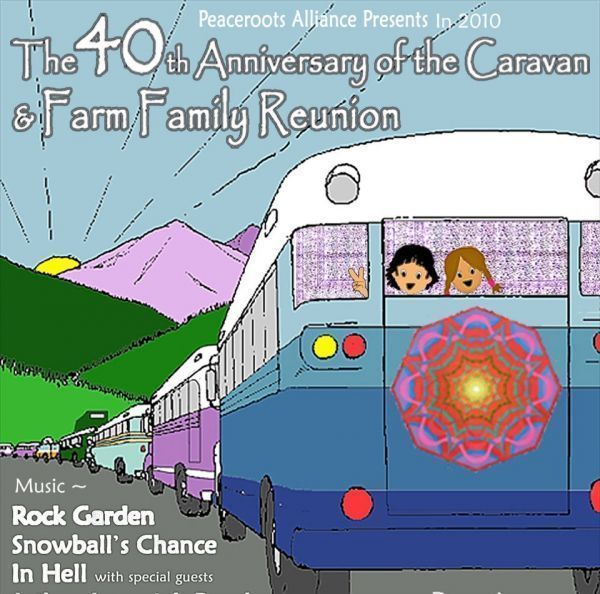 Communal living was a idealistic experiment for some back when the counter-culture was in full flower, and The Farm, a pioneering outpost in rural Tennessee, mostly managed to live up to those ideals.
The earliest origins of The Farm can be traced back to San Francisco at the end of the 1960s, recalls Robert Tepper, in a group that coalesced around a San Francisco State professor named Stephen Gaskin.
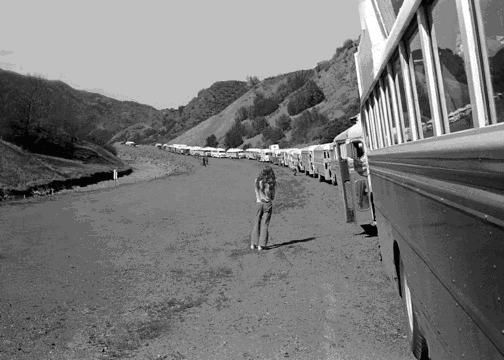
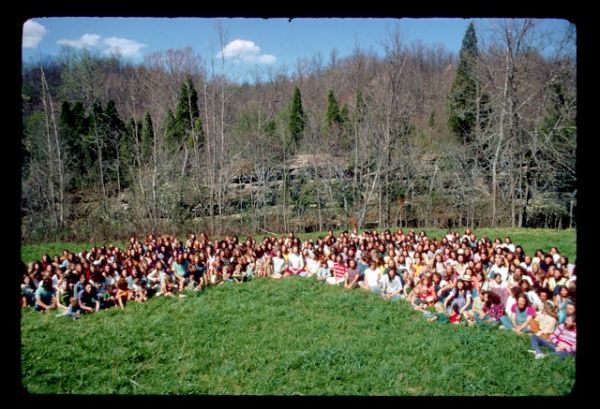
That memorable caravan, as seen in this photograph (© Book Publishing Company), was also the basis for the poster promoting the gathering of former Farm residents in Santa Rosa on Saturday. It’s natural that such an event would happen here, Tepper adds, since the North Bay was once home to so many of the founding Farmers.

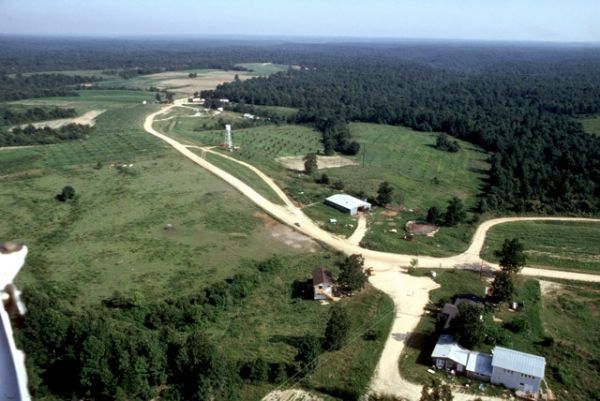
Today, The Farm (seen below from the air) hosts a much smaller population, says Linda Rake, but it remains a hub of sustainable activity.
 From the founding group of around 300, the population of The Farm quickly grew, in part, Linda Speel recalls, due to their open door policy toward visitors, particularly expectant couples.
It took a few years for the community to attain economic equilibrium, but Linda Rake notes that they soon began to marshal what resources they had to reach out and assist when natural disasters struck elsewhere in the hemisphere, through an organization they named Plenty.
 A change at the Santa Rosa Farmer’s Market that begins on Saturday may help some lower income households enjoy healthier menus.
 To make the introduction of the food stamp program at the Santa Rosa Farmer’s Market this Saturday more festive, manager Paula Downing says several special events will be part of their day.
 Mary Kelley, manager of the Healdsburg Farmers Markets (they have two each week), observes that the few food stamp users who have begun to shop there are going through some serious changes in their shopping and food preparation practices.
Locations, dates and times forall the many Sonoma County Farmers' Markets can be found here.
Follow this link for information about the Food Stamp program in Sonoma County
 Eco-tourism is a growth industry, especially in remote and unspoiled areas. But as those areas attract more visitors, can the natural experience they offer remain the same?
 Initially, most geo-tourism was the realm of small, localized businesses that combined personal attention with the providers’ knowledge of the area they served. That’s still true in many cases, says writer-reporter Todd Pitock, but they no longer have that segment of the industry to themselves.
 Todd Pitock's article, "Can Tourism be Sustainable?" appears in the current issue of Miller-McCune magazine article, as well as their website.
- Cattle Brands of the North Bay
- Bat Lady Remembered
- Weather & Climate Change
- "A California Bestiary"
- Fire Season
- Saving Seeds
- Weed Watchers
- Sheep Shearing
- Luther Burbank's Farm
- Wine Image and Ownership
- Rachel Carson
- Ailing Pelicans
- Project GROW
- Farmworker Health Risks
- Post Carbon Institute
- The Shovel Project
- Ag Innovation Network
- Vineyard Frost Protection
- "When the Rivers Ran Red"
- "The Dangerous World of Butterflies"
- Recording Nature in the Tetons
- Climate Change and Vineyards
- Daily Acts
- Food Bank News
- Bio-converter
- Climate Change and Invasive Plants
- Ecosystem Rights
- Meat vs. Carbon
- Birds and Climate Change
- Herb Exchange
- Ploughshares
- United Plant Savers
- Greywater Rules Relaxed
- Renewable Energy
- Invasive Snails
- Seeds of Learning
- Invasive Weeds
- YouthBuild Goes Green
- Urban Permaculture
- Groundwater mercury
- Fungi
- Historic Ecology
- In Darwin's Footsteps
- Land Paths
- Green-Collar Jobs
- Wave Power
- John Muir
- Bees vs. Mandarins
- GMO Mystery
- Geo Tourism
- Farm Succession
- Drought
- Conservation Corps
- Water Agency Governance
- Coho release
- Conservation Strategy Fund
- Heritage Turkeys
- Rare Fruit
- Garden Allies
- Biomimicry
- Sonoma County's Climate Action Plan
- Solar Sonoma County
- Ants
- "Soil, Not Oil"
- Aqua EcoTourism
- California's Raw Milk Law
- State of the River
Northern California
Public Media
Newsletter
Get the latest updates on programs and events.

