
 Live Radio

Ear to the Wild: The Sound of the Surf at Drakes Beach
With the busy-ness of one’s day to day life it’s easy to forget how the rhythms of nature can sooth us. It’s good to take a minute to tune into this…
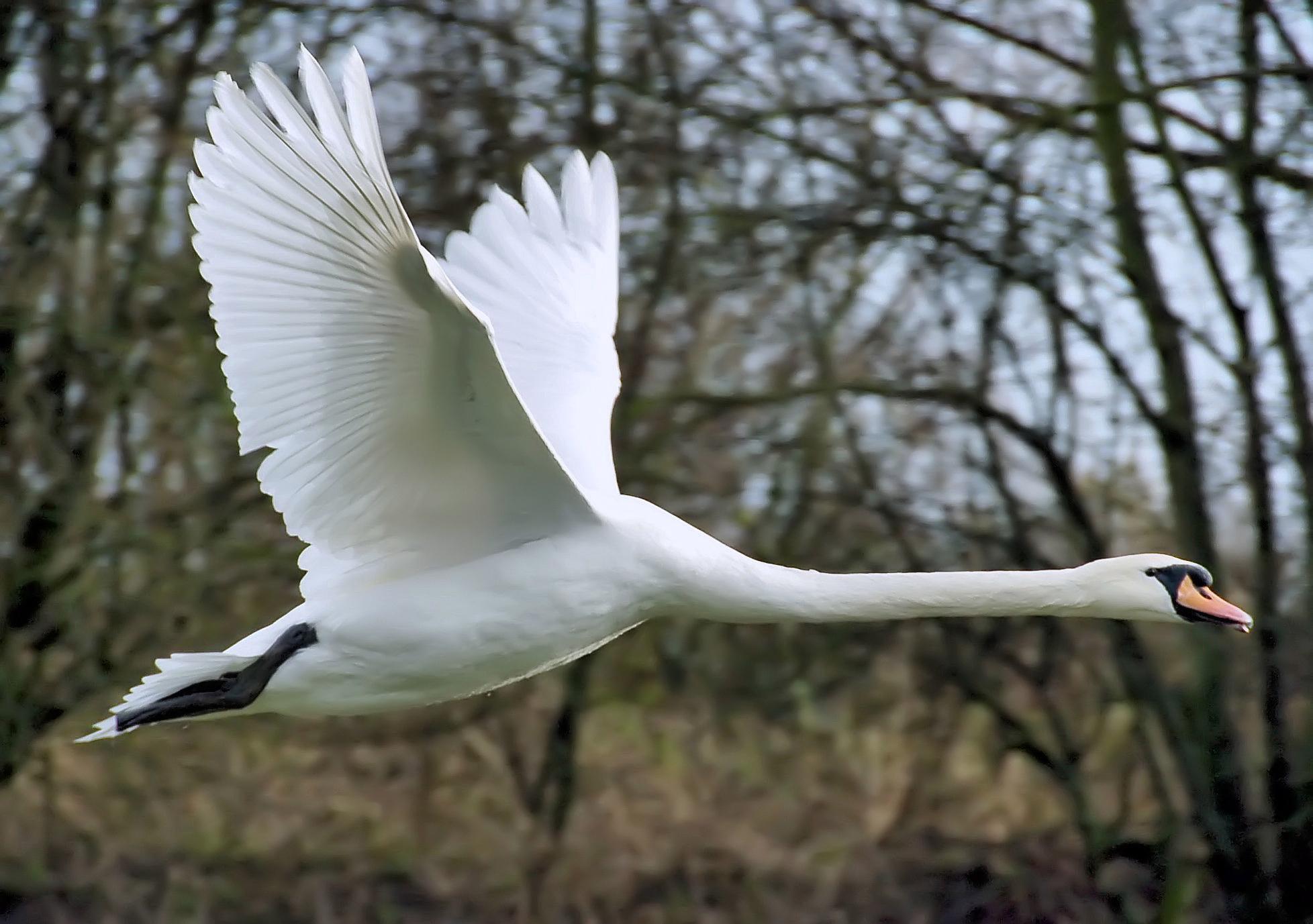
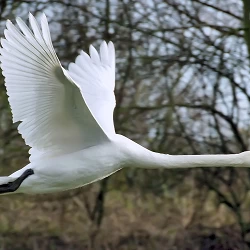
Mute Swans are the ones you see in so many fairy tales. People started bringing them to North America from Europe around the late 1800s. They can severely impact native ecosystems, eating up to 8 pounds of underwater plants a day! This leaves less for native waterfowl. Mute Swans flap their wings and run across the water as they take flight.
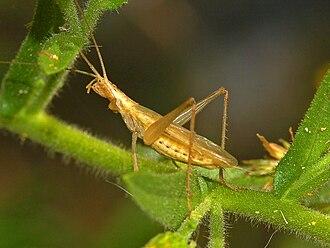
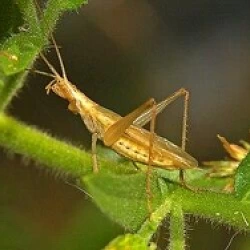
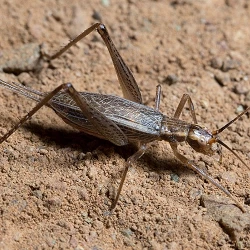
In 1897 a physicist named Amos Dolbear published a paper called “The Cricket as a Thermometer.” He’d discovered a formula for estimating the air temperature by counting the chirps of crickets. Let’s try it!
Read more: Ear to the Wild: Using the Cricket as a Thermometer
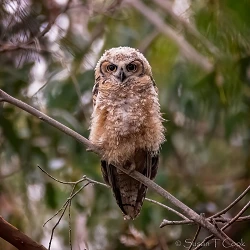
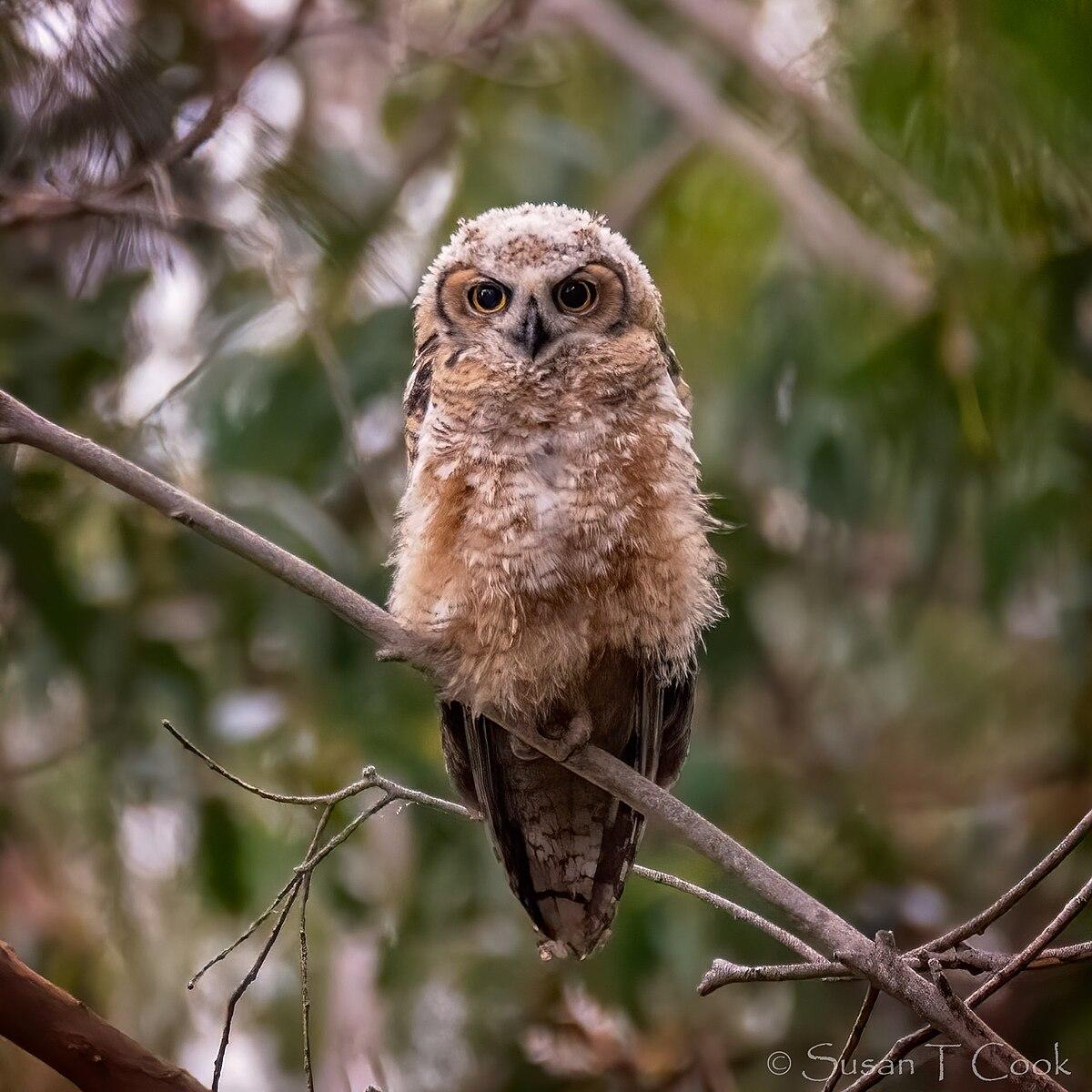 Juvenile Great-horned Owls beg for food from adults by making raspy sounding screeches. In the Fall they’re learning to hunt, but they still beg for food from the adults. In this recording their dialog ends with what sounds like the juvenile Great-horned Owl landing in a grassy field and catching something!

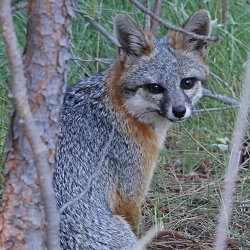
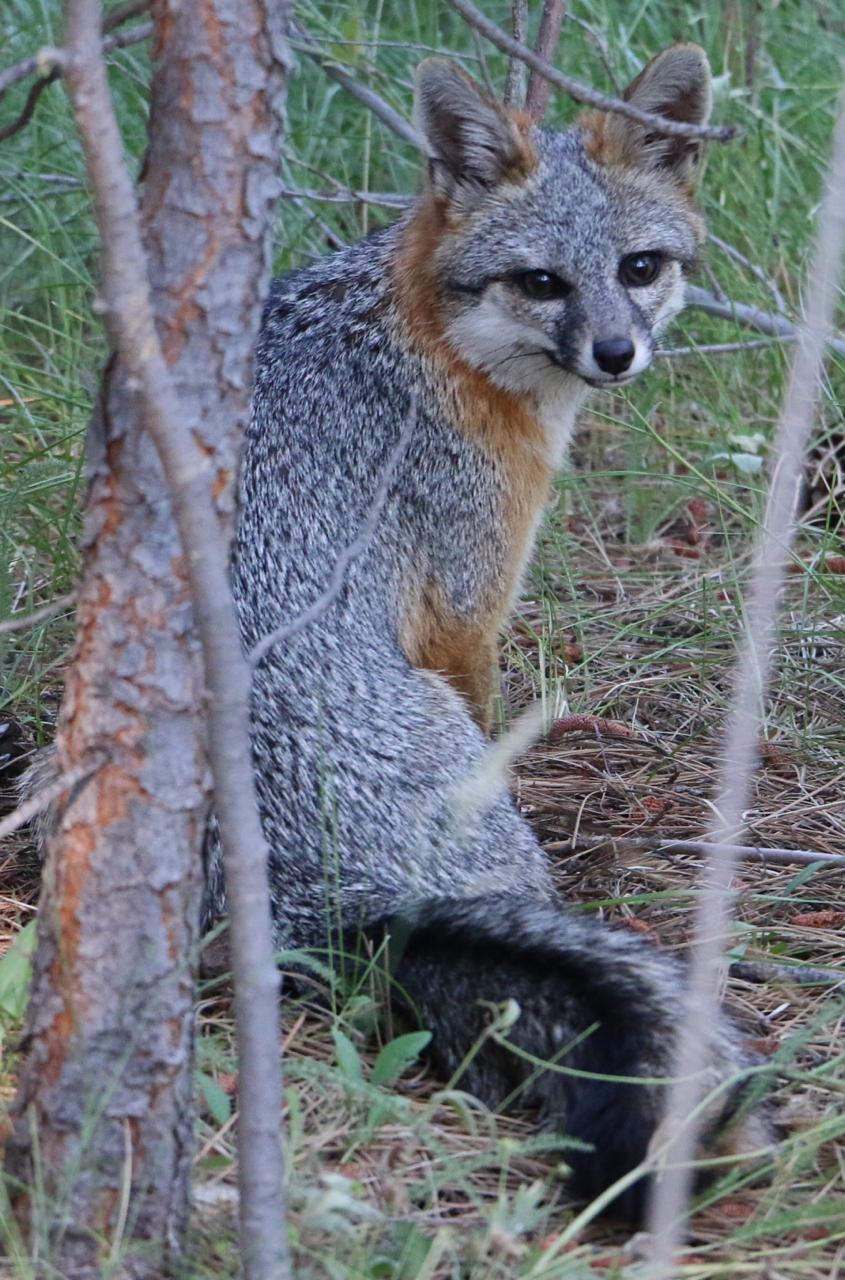 As the moon rises a Gray Fox barks. Her voice reverberates across a small field of Coyote Brush and grass. Another Gray Fox responds in the distance. Their voices carry over the chorus of crickets. Owls sing as the night settles in. The two Gray Foxes call to one another from the shadows, and listen…
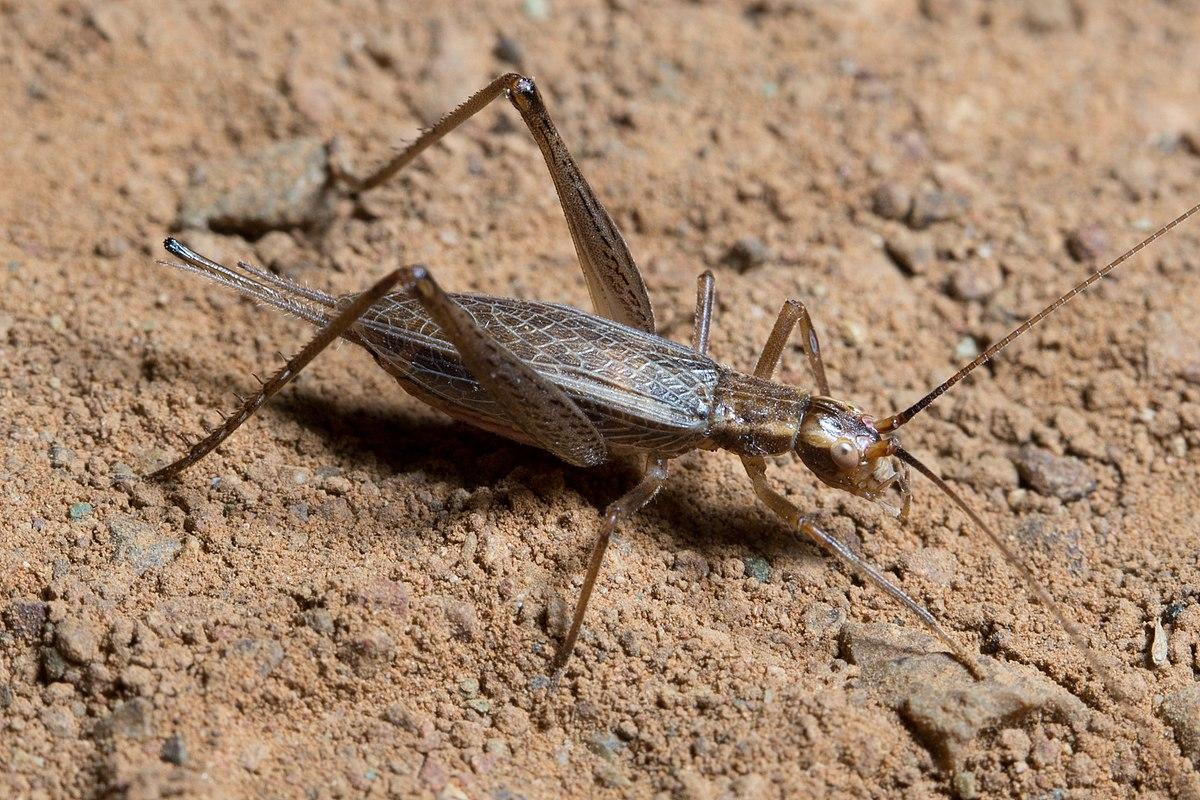
The sound of crickets all singing together is sometimes referred to as an orchestra. Late summer and fall is the time when the cricket Orchestras here in Sonoma County start to tune up and fill the night with their music!









Northern California
Public Media
Newsletter
Get the latest updates on programs and events.
